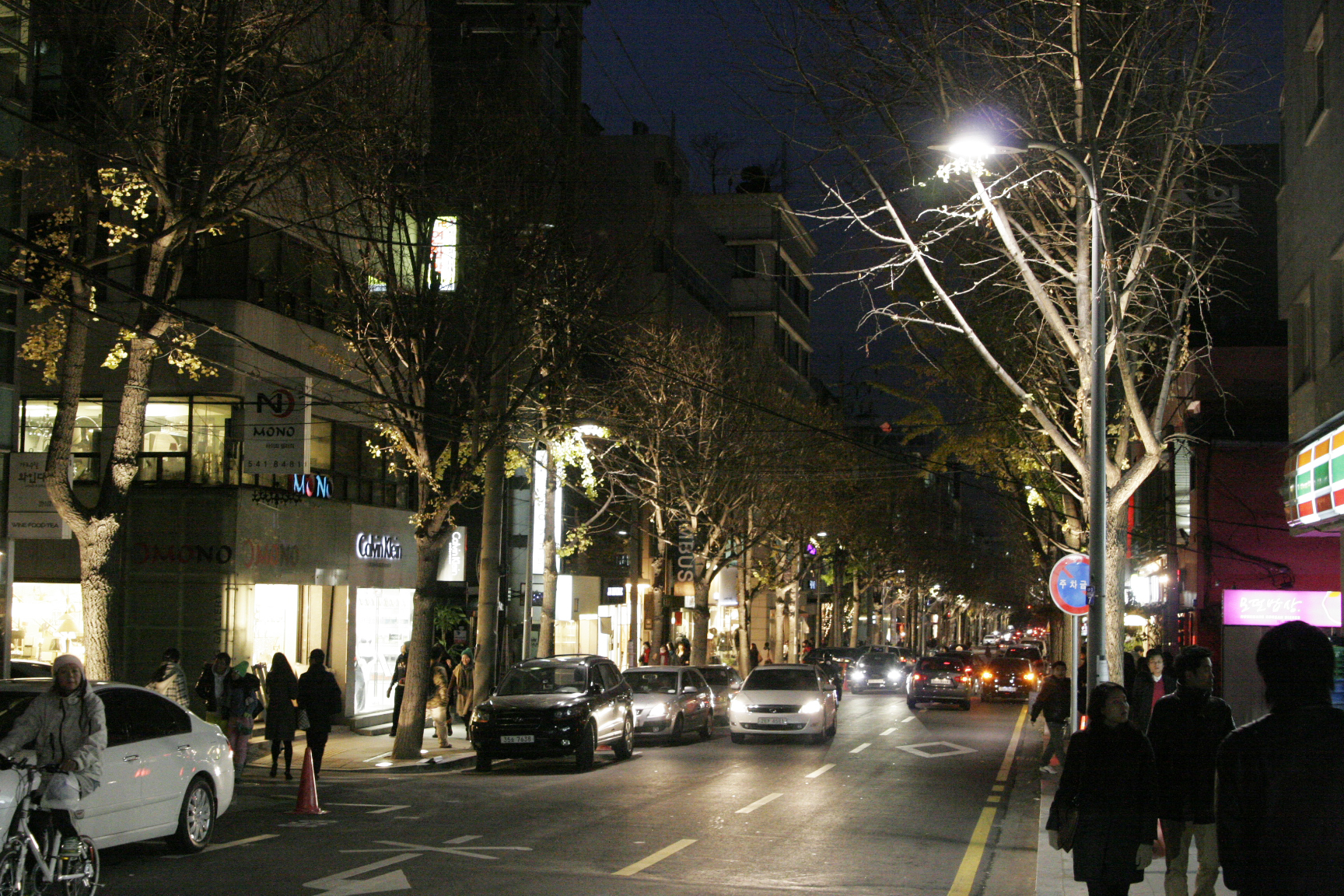
Nonhyeon market energy, Apgujeong old Seoul polish
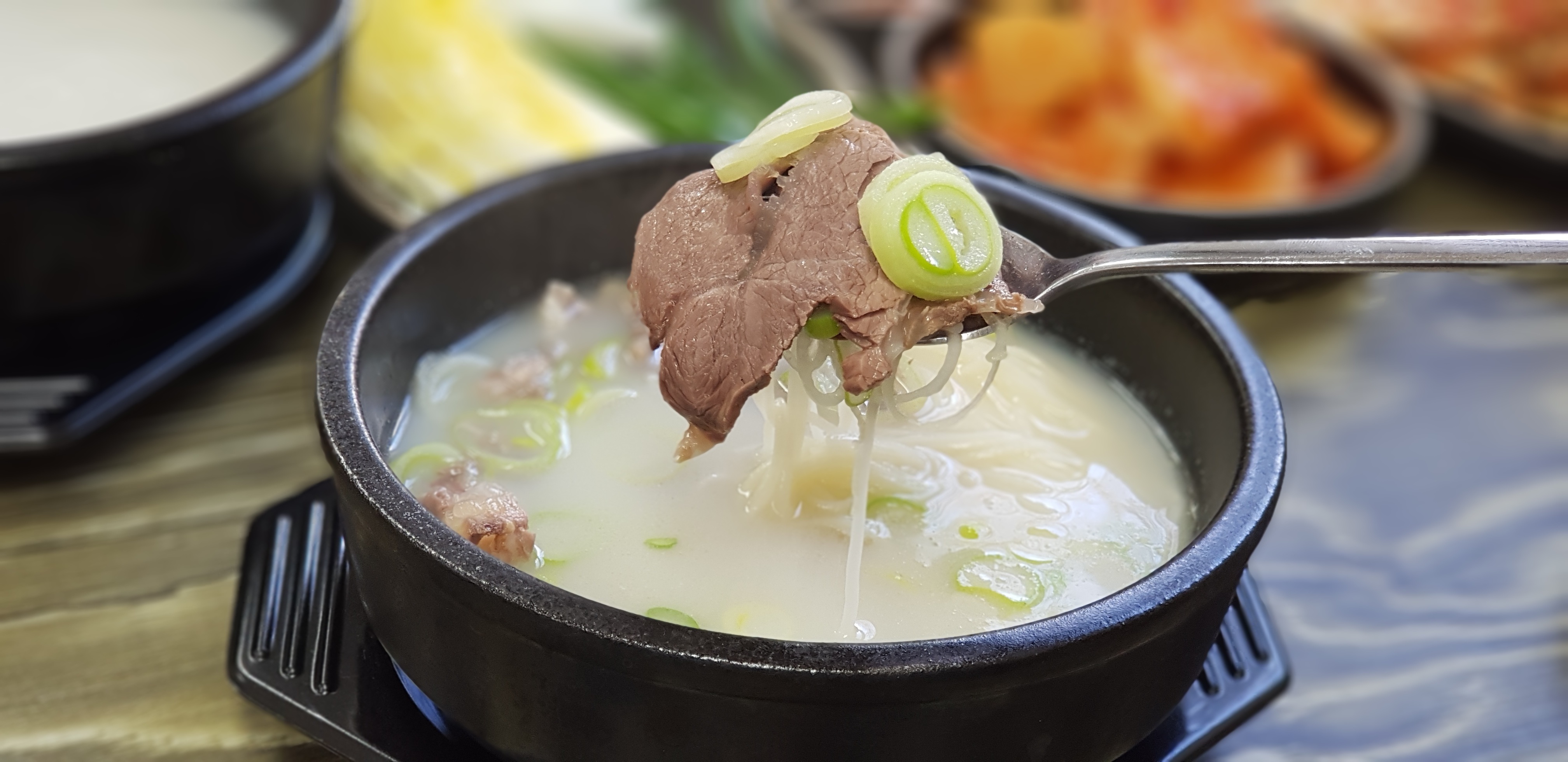
Best for salaryman soups, heritage Korean dining, and places that do not bend toward tourists.
Map-first beta
Twenty old-school rooms, market counters, and alley meals across Gangnam, Myeongdong, Ikseon, Mangwon, Euljiro, Jongno, and Noryangjin.
Seven-neighborhood beta
Find a real old local place, understand why it belongs, then walk in with the Korean words for entering, ordering, eating, and paying.
No-English meal flow
Show party size in Korean before the room asks you to decide fast.
Pick the local first move and show a clean dish + quantity line.
Know the one table habit: season soup, sip broth, share pork, or wait.
Ask for the check or card in Korean, then leave with a proper thanks.
Best for salaryman soups, heritage Korean dining, and places that do not bend toward tourists.
Best for old broth, Pyongyang noodles, and industrial-era alley texture near the tourist core.
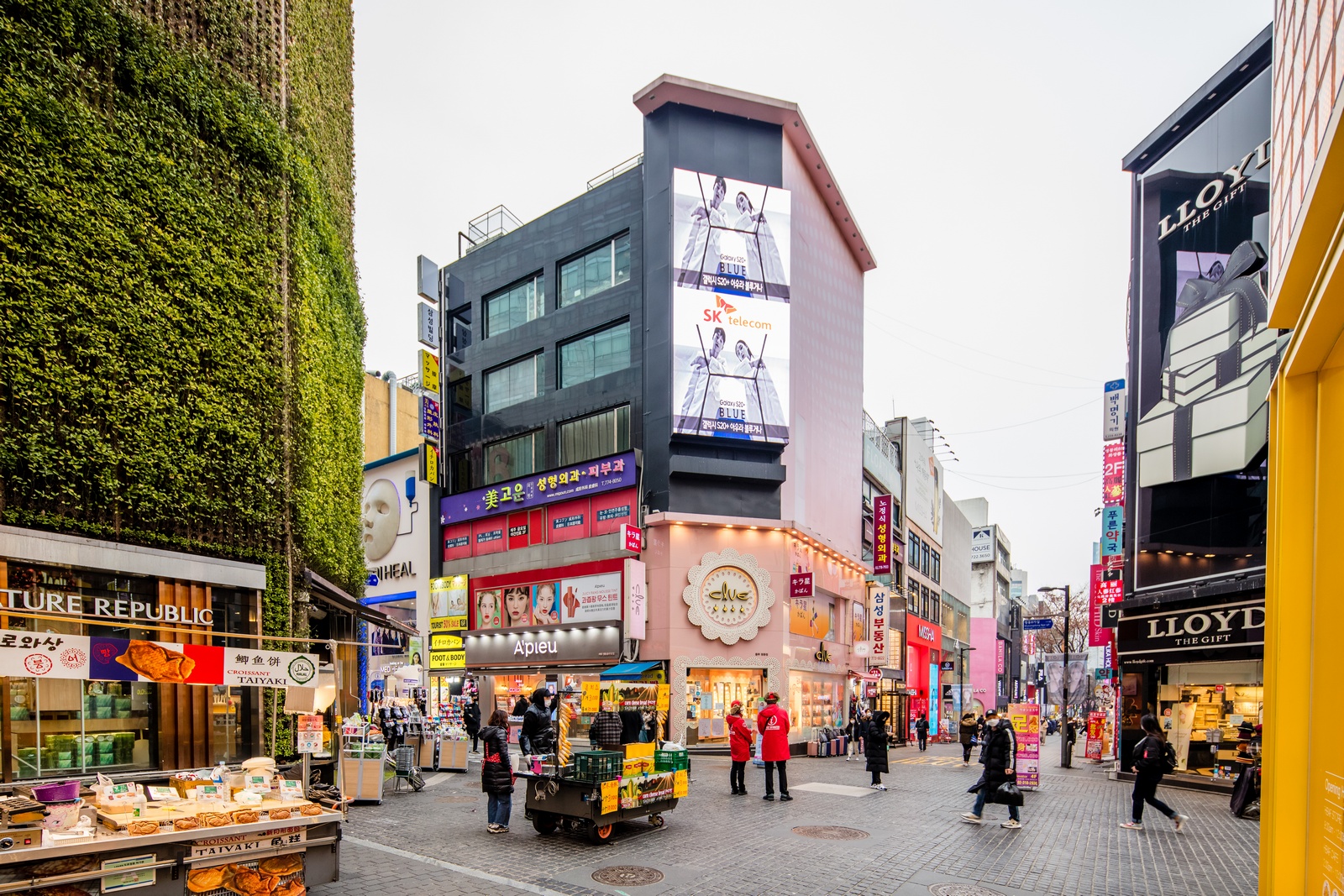
Best for travelers who want central Seoul without defaulting to palace-adjacent tourist meals.
Best for compact orders, cash backup, and fast local rhythm around stalls and counters.
Seed list
Each card is designed around heritage, local friction, and whether the Korean UI can help a foreigner order without flattening the place.
Tiny Korean
Short, polite lines for the moments when a phone translator feels too slow.
Local rhythm
Say hello first. If there is no host stand, pause near the entrance and make eye contact.
Menu boards can be fast. The order card removes the awkward phone-translation shuffle.
Many old shops optimize for regulars. Decide quickly, eat well, and thank them simply.
Ask "카드 돼요?" if unsure. Some small shops still prefer cash or quick counter payment.
Research base